

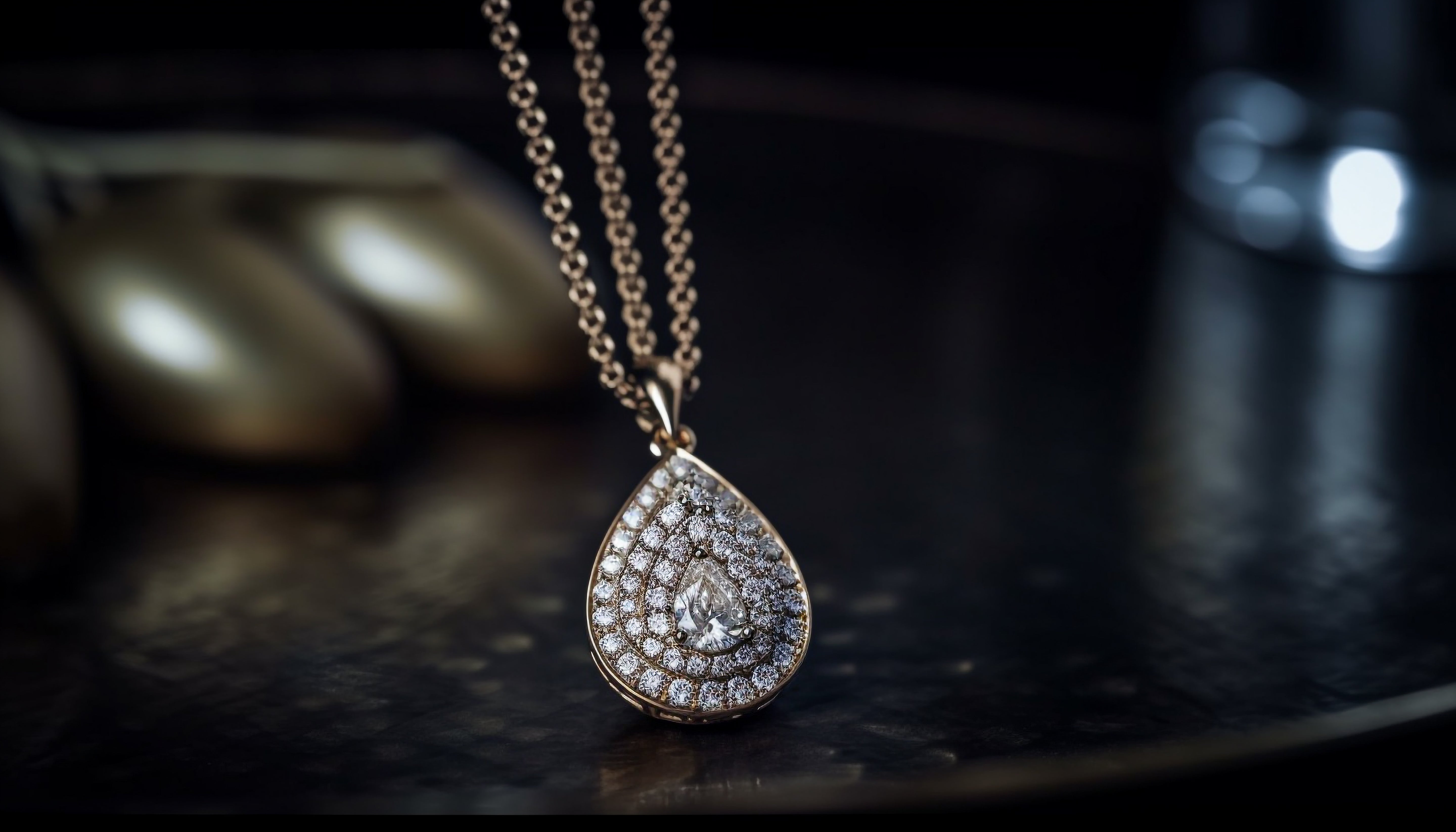

People often say that a diamond chooses you, not the other way around. It sounds dramatic, but once you start looking closely at different stones, you realise how easily your eye drifts toward one that just feels right. Before that moment happens, though, it helps to know a little about what makes one diamond sparkle differently from another. Jewellers usually talk about the 4 C’s of diamonds, which basically means the cut, colour, clarity, and carat of a stone. These aren’t stiff technical rules; they’re more like a set of clues that explain why certain diamonds catch the light beautifully, while others sit quietly in a display case. Whether you prefer traditional mined stones or modern lab-grown diamonds, understanding these basics makes choosing a piece of diamond jewellery far less overwhelming.
Why Cut Shapes the Entire Look
A lot of people assume the size is what makes a diamond impressive, but anyone who’s spent time comparing stones quickly realises that the cut plays a far bigger role. The cut controls how the light moves inside the diamond, and that movement, those quick, bright flashes you notice, is what people often fall in love with. When the proportions are precise, the whole gem seems more alive. If the cut is off, even a heavier diamond can appear sleepy and dull. Something about the way a well-cut diamond reacts to the slightest turn of the hand feels almost emotional. It’s not just mathematics; it’s craftsmanship. The same care applies whether the stone is mined or one of the newer lab-grown diamonds, which are cut using the same techniques. Anyone comparing options for a personal jewellery collection soon realises why gem experts insist that the cut is the heart of a diamond’s beauty. At this stage, we at Starla love guiding customers through cuts that truly highlight their personality, because a diamond’s brilliance deserves craftsmanship that feels personal.
The Subtle Role of Colour
Colour is one of those things you don’t pay much attention to until someone points it out. At first glance, most diamonds look white. But once you start comparing them side by side, the tiny variations become clear. Some stones have a faint warmth to them; others look icy and crisp. The closer a diamond is to being colourless, the more traditional and “classic” it appears. Still, no rule says colourless is always better. Some people deliberately choose a softer tone because it feels more romantic or because it pairs beautifully with yellow gold. Lab-grown diamonds often come in high colour grades, partly because their growth environment is more controlled. But even then, taste matters just as much as grading.
A diamond reacts to whatever metal surrounds it, so the setting you choose can shift the way the colour feels overall. When you’re picking something as personal as diamond jewellery, it’s worth trusting your own eye rather than memorising a chart. It’s why we take extra care in helping you choose the colour grade that feels most “you,” making sure your diamond complements your style effortlessly.
Clarity and the Little Details Inside
If you’ve ever looked at a diamond through a jeweller’s loupe, you’ll know that every stone carries tiny markings. These natural characteristics determine its clarity. They might be specks, wisps, or faint lines, most of them invisible without magnification. They don’t make the diamond less beautiful; they simply show that the stone has a history. In natural diamonds, inclusions can tell you something about the Earth’s pressure and heat over millions of years. In Lab-grown diamonds, the patterns may look slightly different, but they have their own story too, shaped inside a laboratory instead of deep underground.
The key thing buyers usually discover is that a diamond doesn’t need perfect clarity to look perfect to the naked eye. Many mid-range clarity grades look absolutely flawless in real-life wear, especially once the stone is set in a ring or pendant. For everyday pieces in a jewellery collection, what matters most is that the inclusions don’t distract from the overall sparkle.
What Carat Really Means
Carat is probably the most talked-about of the four factors, but it’s also the most misunderstood. Carat measures weight, not size. Two diamonds can weigh the same but look completely different depending on their cut. A diamond that sits shallow might look wider on the finger, while a deep one can seem smaller even though both weigh equally. What surprises many buyers is that a slightly smaller carat diamond with excellent cut and clarity can outshine a larger stone that’s been compromised in those areas. Because of this, people often find themselves choosing a diamond that “feels right” rather than simply going for the biggest number. With the growing popularity of lab-grown diamonds, more buyers are free to explore slightly larger carat options without stretching their budget, which makes the decision more personal and less restricted by cost.
Why We Create Jewellery With Purpose
At Starla Jewels, we didn’t begin with a trend board; we started with a feeling. Jewellery should mean something. It should remind you of a moment, a person, or a part of yourself you don’t ever want to forget. That simple thought and Rekha Somavarapua’s love for designing pushed us to create lab-grown diamond pieces that carry both beauty and intention. Every time someone walks in with an idea, sometimes a rough sketch, sometimes just a memory, we sit with them, talk it through, and slowly shape it into something real. Our artisans don’t rush the process. They care about the tiny choices: the curve of a band, the warmth of a metal, the story behind a stone. What we love most is seeing someone hold their finished piece for the first time. It’s quiet, personal, and honest, exactly what jewellery should feel like.
Seeing the 4 C’s as a Whole
The cut, colour, clarity, and carat all matter, but they matter even more in combination. A bright, well-cut diamond can mask a tiny bit of colour. A stone with a warm tone may look beautifully vintage in a yellow-gold setting. A middle clarity grade might be indistinguishable from a high grade once you’re not under a jeweller’s bright lights. Choosing a diamond becomes less of a technical process and more of a personal conversation with yourself about what you genuinely love.
Final Thoughts
Whether you're building a thoughtful jewellery collection or buying something meant to mark a milestone, knowing the 4 C’s of diamonds gives you confidence, but your instinct finishes the job. Modern options like lab-grown diamonds simply broaden the possibilities, letting you choose based on style and emotion instead of limitation. In the end, the right diamond is the one that stays meaningful long after the excitement of the purchase fades. It shines not only because of its qualities, but because you chose it with intention.


